


Add up the years the Safer team has spent working in injury management and you get 108.
That's more than a number. It's decades spent navigating legislation, building technology, solving industry problems and working alongside the people this industry depends on every day.
AI has created a wave of companies promising to transform every industry they touch. Many are built by teams learning the domain as they go. Safer is different. It was built by people who've spent much of their careers in and around injury management and who believe AI finally gives this industry the opportunity to remove the administrative burden that's held it back for years.
Here's the team behind Safer, and why each of them chose to build it.
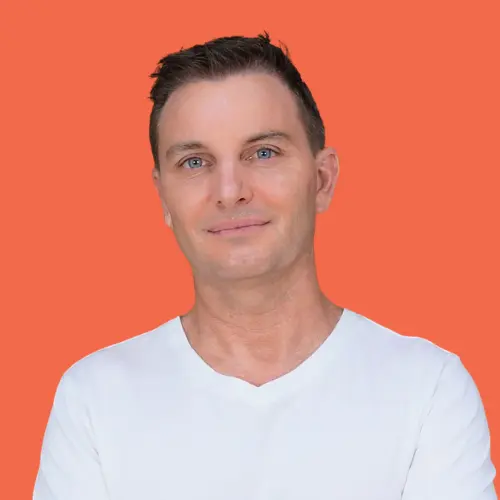
Glen McIvor
Founder & CEO
Glen had already successfully built and sold one injury management company. He didn't need to do it again.
InjuryConnect started with Glen writing code in a spare bedroom in 2009. Drawing on a background spanning the Army, a Master's degree in Computer Science, and technology consulting, he spent years building the business into one of Australia's leading injury management platforms. InjuryConnect later evolved into Solv before being acquired by a US technology company in 2021.
After the sale, Glen spent several years mentoring and investing in startups, watching from the sidelines as new ideas came and went. He understood better than most how difficult it is to build a successful technology company. So when he started Safer, it wasn't because he was looking for another business to run. It was because he believed AI represented the biggest opportunity the injury management industry had seen in decades.
When he thought about what actually brings long-term fulfilment, the answer came down to three things: building something that lasts, working alongside people he genuinely enjoys, and AI. Safer is where those three things came together.
“The best software in the future isn't the one with the most features. It's the one that does the most of your tasks.”
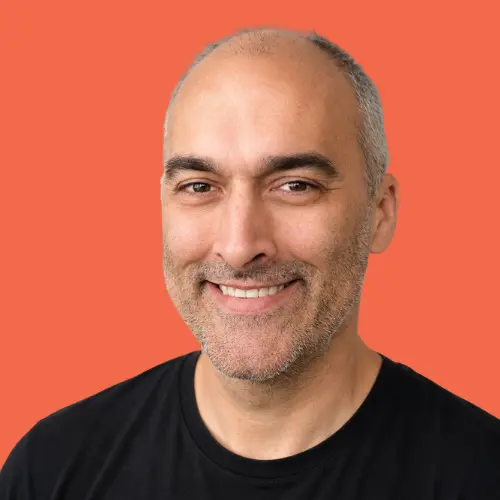
Tristan Andrews
Chief Technology Officer
Tristan has spent twenty years watching what bad software does to the people forced to use it. Early in his career, while working on radiology systems, he saw a single small software bug quietly wear down an entire hospital department. He never forgot it.
That experience shaped the way he thinks about technology. Every extra click, every unnecessary step and every frustrating workflow eventually lands on a person trying to do their job.
It was part of what drew him to Solv, where he led the rewrite of InjuryConnect into SolvInjury before spending three years as Product Manager for Injury. He also architected the Victorian self-insurance rebuild following legislative changes, helping ensure customers could continue working without disruption.
Today, he spends less time writing code himself and more time ensuring Safer is built on the latest AI technology, constantly exploring how new advances can be turned into practical improvements for customers.
What excites him most is how quickly ideas can become reality. The faster meaningful improvements reach customers, the faster injury management professionals can spend less time on administration and more time helping people.
He's the first to admit it's become something of an obsession. His sleep schedule has opinions about that.
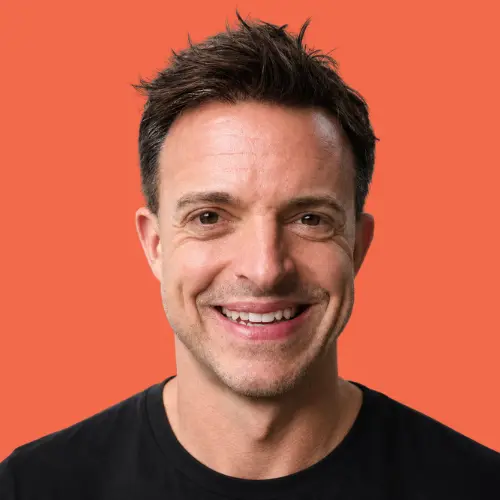
Neil Mogridge
Growth Partner
After a global career with Gillette and P&G, Neil found himself in injury management through Solv - a move that would shape the next chapter of his career. Five years later, the business had been acquired by HSI, where he went on to lead the Asia Pacific business as Managing Director.
That blend of global commercial leadership and injury management shapes how he sees the industry today. He completed formal Safety Management and Return-to-Work Coordinator training to deepen his understanding, and his view is straightforward: reduce the administrative burden, improve outcomes, and give teams back the time to support injured workers.
What he enjoys most about Safer is bringing together AI, modern technology and a team that cares enough to challenge each other in pursuit of a better outcome.
"I'd always wanted to be part of another startup, but it had to be the right one. Safer gave me the chance to work with AI, alongside people I already knew and trusted, on a problem that's genuinely worth solving.”
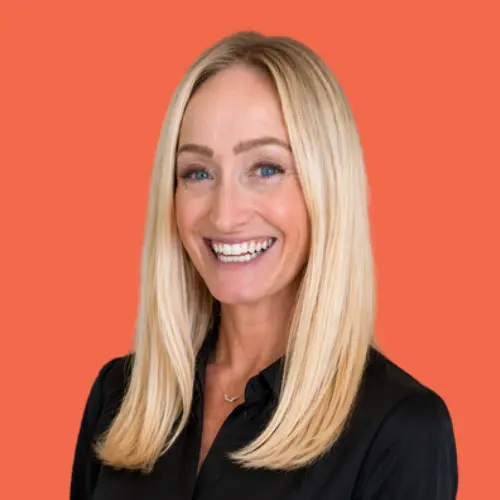
Ali Morton
Growth & Transformation Principal
Ask Ali what's kept her in this industry for more than two decades and the technology isn't the first thing she mentions. It's the people, always.
Her career spans occupational health, injury management, workers' compensation and WHS, from frontline customer roles through to senior leadership. What continues to drive her is helping people become the best version of themselves, whether that's supporting an injured worker, building a thriving workplace culture or helping organisations achieve meaningful change.
Having worked alongside much of the Safer team for more than a decade, she already knew innovation wasn't just something they talked about. She trusted it would be woven into everything they built. Combined with a genuine belief in AI's potential to transform injury management, joining Safer felt like a natural next step.
Most of her time now goes into conversations with organisations about what a better way of working could look like for them. Not a features rundown. She wants to understand how their teams actually operate day to day, where the friction sits, and where AI can take the busywork off their plate so people can get back to doing the human parts of the job
“Good injury management is a human skill. The people in this industry change lives every day, and AI should help them do more of that - not replace it. That's the side of AI I want to be part of.”
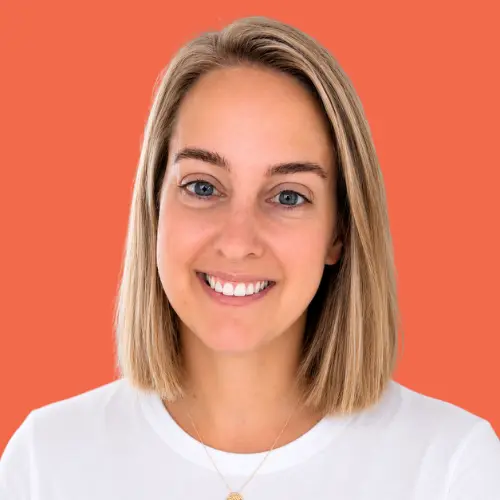
Hannah Richards
Head of Customer Success
Hannah found her way into injury management almost by chance, starting in medical administration at OSHGroup before moving to InjuryConnect / Solv. What began as an unexpected career path became a long-term commitment to helping organisations and their people navigate change.
Hannah spent several years as Director of Customer Support, leading customer support across the APAC region and building deep experience in service delivery and client relationships. She then took a year-long career break to spend time with her two young sons and work on the family farm in Western Australia's Wheatbelt, before joining Safer.
Today, as Head of Customer Success, Hannah leads onboarding, support and client relationships. She has strong views on what great customer service looks like: responsive, personal, and something that doesn't fade once the contract is signed. It's a philosophy that shapes the way her team supports every customer.
Hannah spends her days helping organisations experience a genuinely new way of working. Ask what she enjoys most about Safer and the answer is simple: the product and the team behind it.
"The best part of my job is seeing the moment a client realises just how much simpler their day can be.”
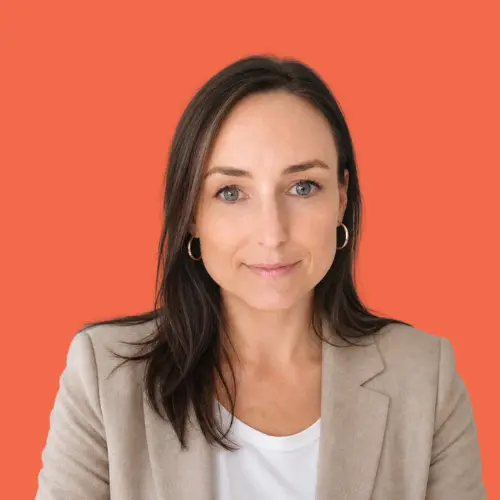
Steph Lloyd-Smith
Head of Operations
Based in Melbourne, Steph has spent almost two decades in and around injury management technology. She began her career with workers' compensation scheme agents before spending six years at Solv, helping organisations modernise the way they manage injury management. Along the way, she also worked across several software companies outside the industry - but ultimately found herself drawn back to the sector and the people in it.
Today, as Head of Operations at Safer, Steph works across sales, customer success and product, helping connect the people, processes and systems that enable the business to scale. She also leads Safer's marketing, shaping the brand and helping the industry understand what's possible with the next generation of injury management technology.
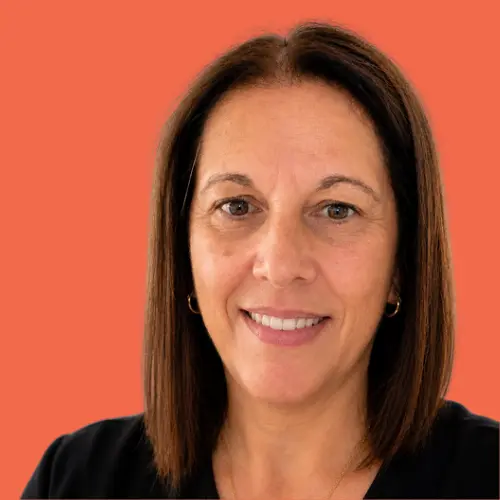
Lisa Edwards
Director of First Impressions
Before joining InjuryConnect, Lisa spent 12 years as a Sales Consultant with Austbrokers Phillips, specialising in workers' compensation. She later spent 15 years at InjuryConnect and Solv, working closely with Glen. So when he invited her to join him again at Safer, there wasn't much to think about.
She'd watched Glen build one successful company already and knew exactly who she was dealing with: an innovator, genuinely obsessed with improving injury management, who shared her own belief that better outcomes should always come first.
Today, she's often the first person people meet at Safer, building relationships and helping organisations explore what's possible. What keeps her going is the moment a prospect hears what Safer can do and the penny drops. She still calls it the "wow factor," and she still isn't tired of seeing it.
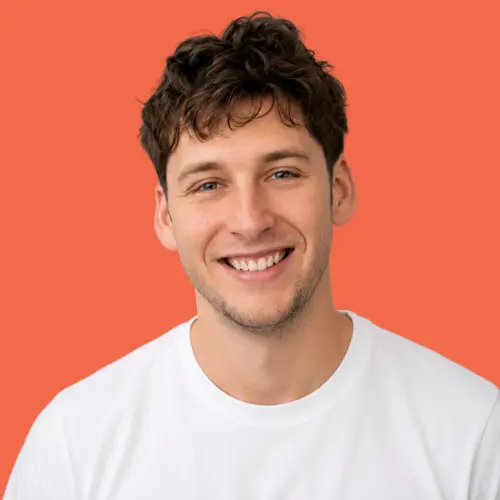
Nic Stephens
Software Developer
Nic has spent his career building AI-native products for more than ten startups and enterprises across finance, healthcare, education and transport. What drew him to Safer was the opportunity to bring that same AI-first approach to an industry that hasn't yet had software built this way.
Today, Nic leads the technology behind Elara, building the AI systems that power the platform. He's passionate about creating software that's genuinely enjoyable to use, with AI woven into the experience from the ground up rather than bolted on as an afterthought. For Nic, great AI isn't something users notice; it's something that quietly makes their work simpler, faster and more intuitive.
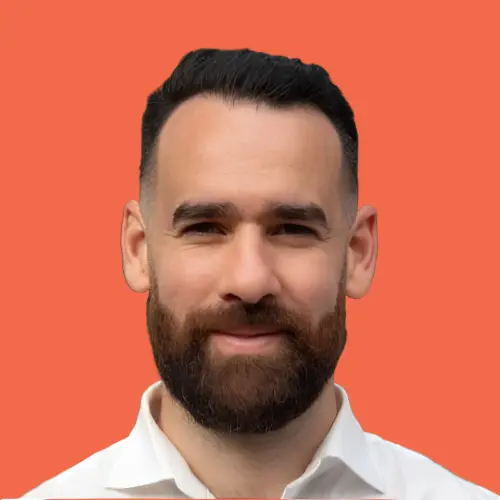
Brad Keyes
Software Developer
Brad was running his own software consultancy when Glen became one of his clients. The more they talked, the more Brad found himself believing in the same vision: people should spend their time doing meaningful work, not admin. He closed his business and became Safer's first developer.
What drives Brad isn't the code itself. It's building technology that removes the kind of repetitive work people were never meant to spend their days doing. He believes humans do their best work when they're solving problems, thinking creatively and helping others—not acting as bookkeepers.
Being part of an AI-first company from day one means Brad isn't simply adding AI features to existing software. He's helping build a platform where AI is woven into the way work gets done from the ground up. For him, the creative challenge isn't writing another workflow - it's teaching AI to take disappointing, repetitive tasks off someone's plate forever.
Built on experience
Every person on this team arrived here by a different path. Some left businesses they'd built. Others walked away from long careers or leadership roles. What brought them together wasn't just familiarity with injury management, but a shared belief that this industry deserves better technology.
The 108 years matter because they represent decades spent understanding where the friction really exists. The paperwork. The delays. The duplicated effort. The time lost to administration instead of helping people recover and return to work.
AI won't replace the expertise of injury management professionals. But it can remove much of the work that never needed their expertise in the first place.
"Safer exists because the industry deserved something better - and we had the experience to build it."